
What is the Best Type of Fencing for Coastal Areas? A Comprehensive Guide
TF
Understanding the Challenges of Coastal Environments
Coastal areas are known for their stunning beauty, but they also present unique challenges when it comes to choosing the right type of fencing. The harsh conditions, including salt spray, high winds, and shifting sands, can take a toll on materials not suited for such environments. Selecting the right fence can provide durability and maintain aesthetic appeal.
Materials That Stand the Test of Time
When it comes to fencing in coastal areas, the choice of material is crucial. Here are some options that are known to withstand the elements:
- Vinyl Fencing: Resistant to moisture and salt, vinyl is a low-maintenance option that doesn't rust or rot.
- Aluminum Fencing: Known for its resistance to corrosion, aluminum is lightweight yet strong, making it ideal for windy areas.
- Composite Fencing: Made from a mix of wood and plastic, composite offers the look of wood with added durability and resistance to the elements.
Wood Fencing: A Classic Choice with a Twist
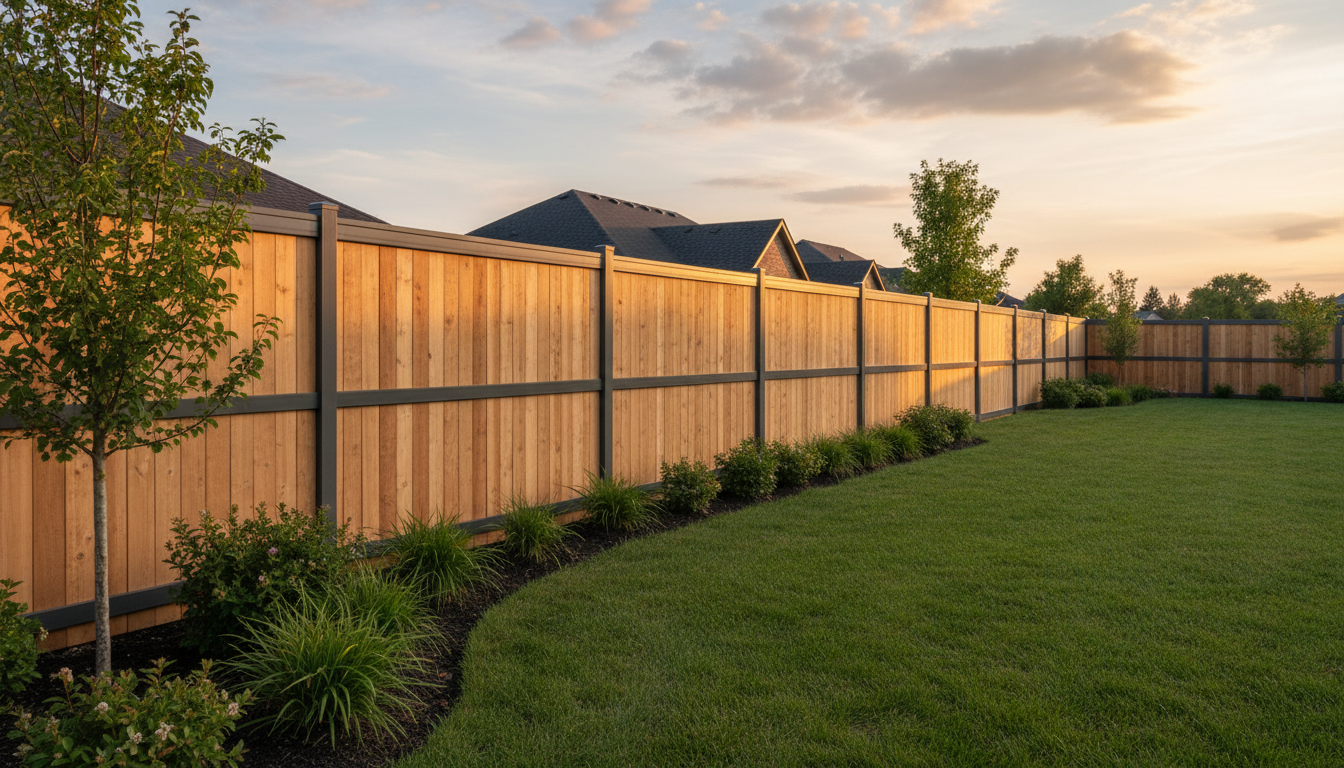
Wood fencing is a popular choice for its natural beauty and versatility. However, in coastal areas, it requires special treatment to withstand the conditions. Opt for treated wood or naturally resistant types like cedar or redwood. Regular maintenance, such as sealing and staining, can prolong its life.
Design Considerations for Coastal Fences
Beyond material, design plays a critical role in the performance of a fence in coastal regions. Consider these factors:
- Height: Taller fences may offer more privacy but can be more susceptible to wind damage.
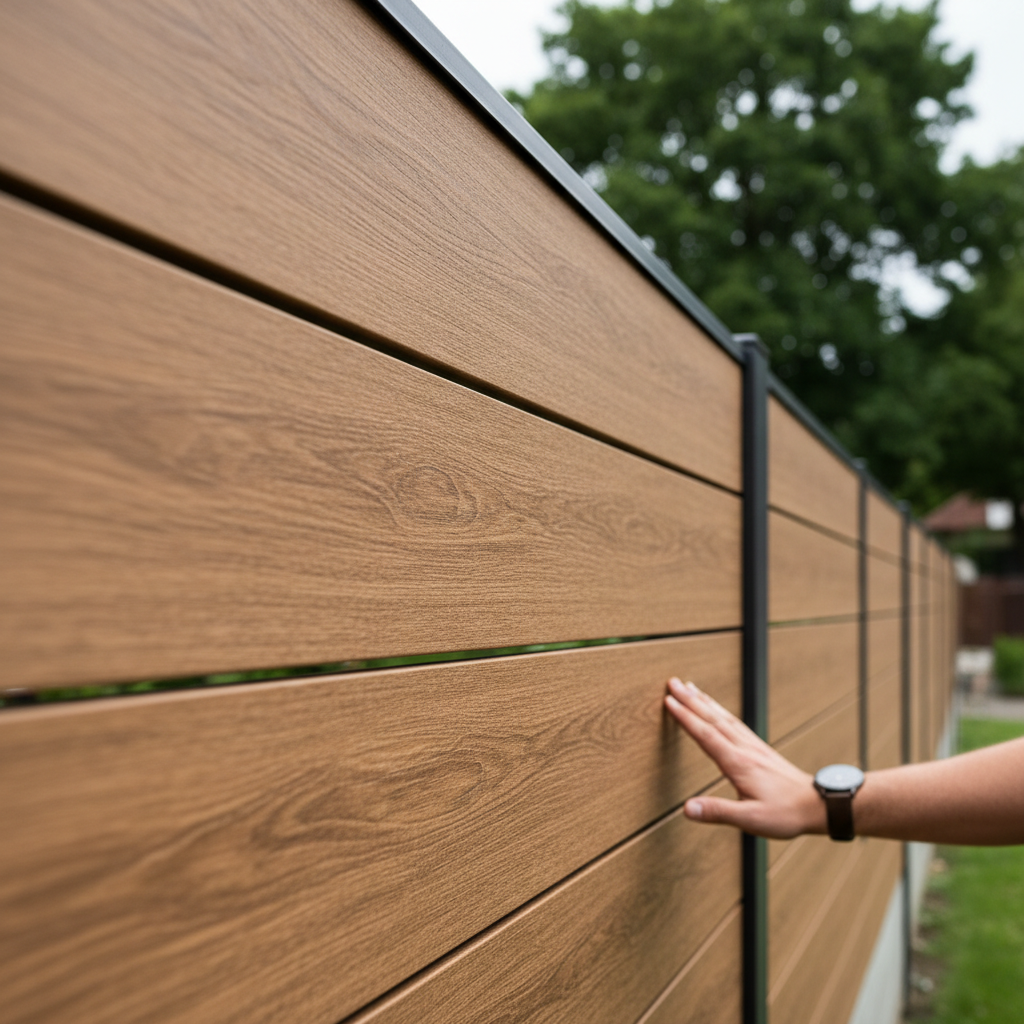
- Spacing: Allow gaps in the design to reduce wind resistance and pressure on the structure.
- Anchoring: Proper anchoring is essential to withstand shifting sands and strong winds.
Environmental Impact and Aesthetics
In addition to functionality, consider the environmental impact and aesthetics of your fence. Opt for sustainable materials and designs that blend with the natural surroundings. Fences can serve as a protective barrier while enhancing the scenic beauty of coastal properties.

Maintenance Tips for Longevity
Regular maintenance can significantly extend the life of your coastal fence. Here are some tips:
- Inspect Regularly: Check for signs of wear and tear, especially after storms.
- Clean Frequently: Remove salt deposits and debris to prevent corrosion and decay.
- Apply Protective Coatings: Use sealants or coatings appropriate for the material to protect against moisture and UV damage.
Conclusion
Choosing the best type of fencing for coastal areas involves a careful balance of material selection, design, and maintenance. By understanding the unique challenges and options available, you can install a fence that not only meets your needs but also complements the stunning coastal landscape. Whether you prioritize durability, aesthetics, or environmental impact, the right fence can enhance your property's value and appeal.