
Eco-Friendly Fencing Options in Florida: Sustainable Choices for Your Property
TF
Why Choose Eco-Friendly Fencing?
As more homeowners in Florida become environmentally conscious, the demand for sustainable landscaping solutions, including eco-friendly fencing, has grown. Choosing green fencing options not only helps reduce your carbon footprint but also enhances the natural beauty of your property. In this blog post, we'll explore various sustainable fencing materials and designs suitable for Florida's unique climate and landscape.
Recycled and Reclaimed Materials
One of the most sustainable choices for fencing is using recycled or reclaimed materials. Fences made from recycled wood or composite materials not only divert waste from landfills but also offer durability and a classic look. Composite materials often combine recycled plastic and wood fibers, providing a long-lasting, low-maintenance solution. Plus, these materials are resistant to pests and weather damage, making them ideal for Florida's humid climate.
Bamboo Fencing: A Rapidly Renewable Resource
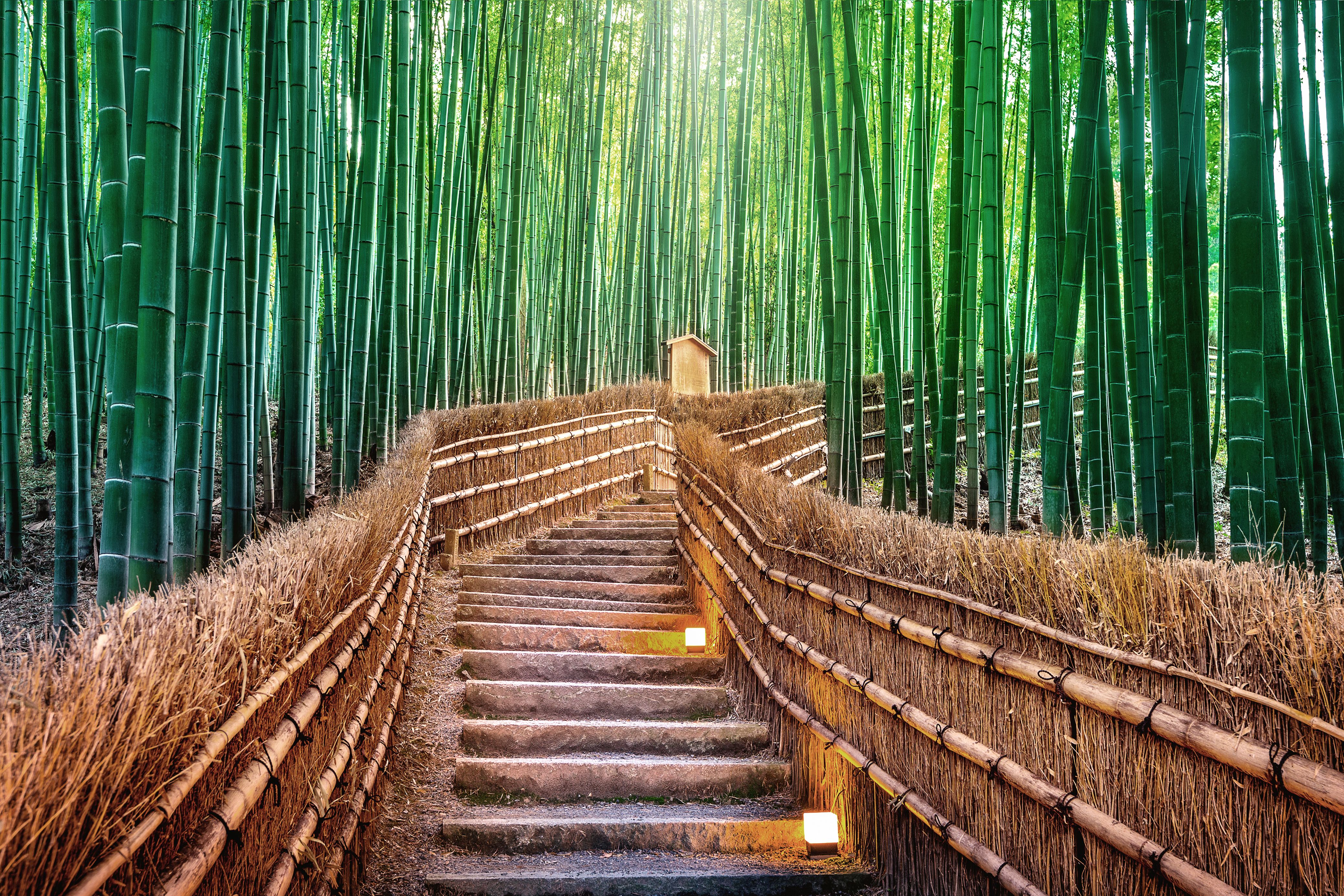
Bamboo is another excellent option for eco-friendly fencing in Florida. Known for its rapid growth and renewability, bamboo is a sustainable choice that doesn't sacrifice aesthetics. It offers a natural, tropical appearance and can withstand Florida's weather conditions. Bamboo fencing is lightweight yet durable, and because it regenerates quickly, it's a smart choice for environmentally conscious homeowners.
Living Fences: A Natural Barrier
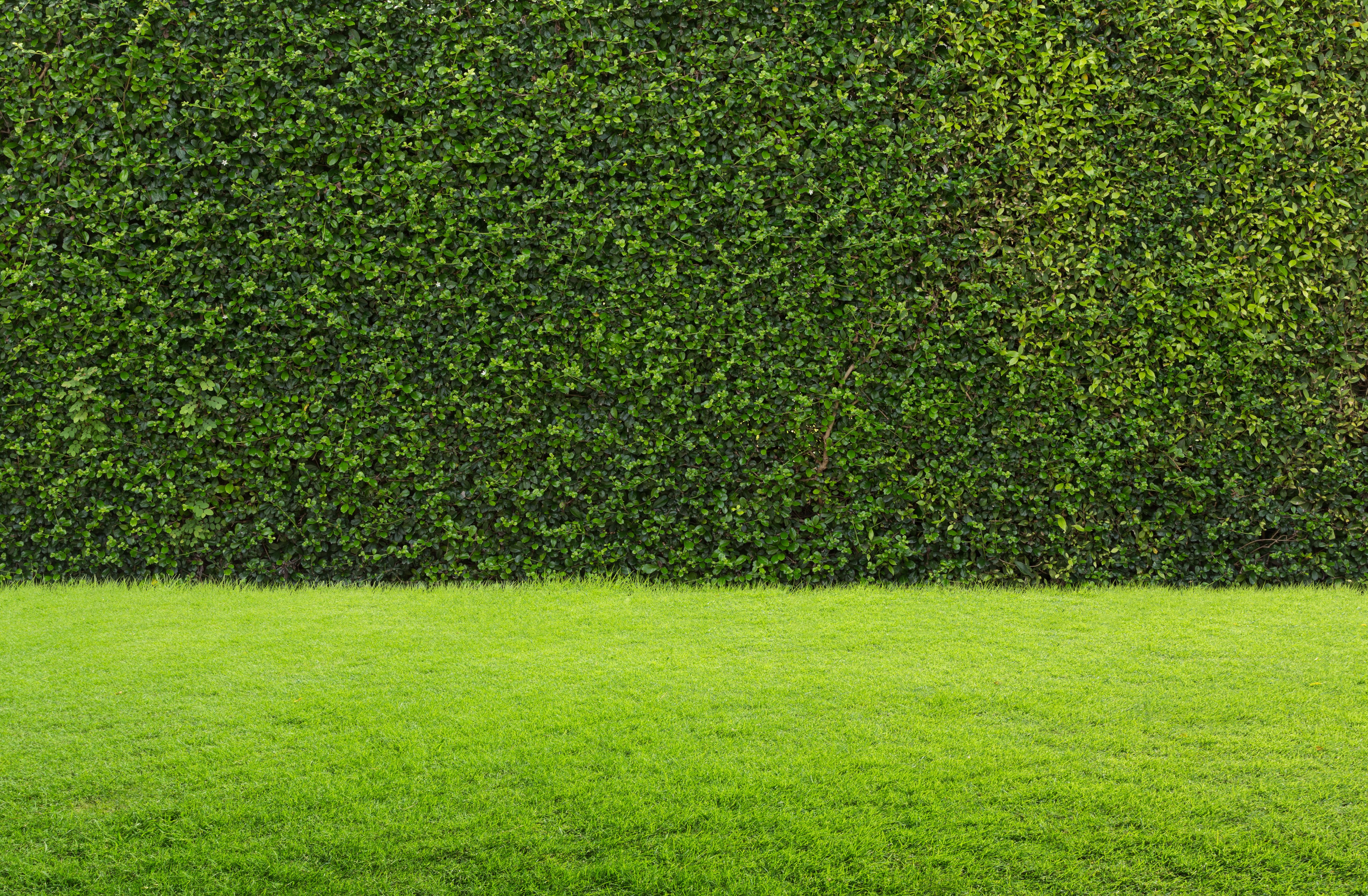
If you're looking to integrate more greenery into your landscaping, consider a living fence. Plants like hedges and shrubs can be used to create natural barriers that not only provide privacy but also support local wildlife. Native plants are especially beneficial as they require less water and maintenance. Options such as wax myrtle or viburnum thrive in Florida's environment and can add both beauty and functionality to your property.
Metal Fencing: Durable and Recyclable
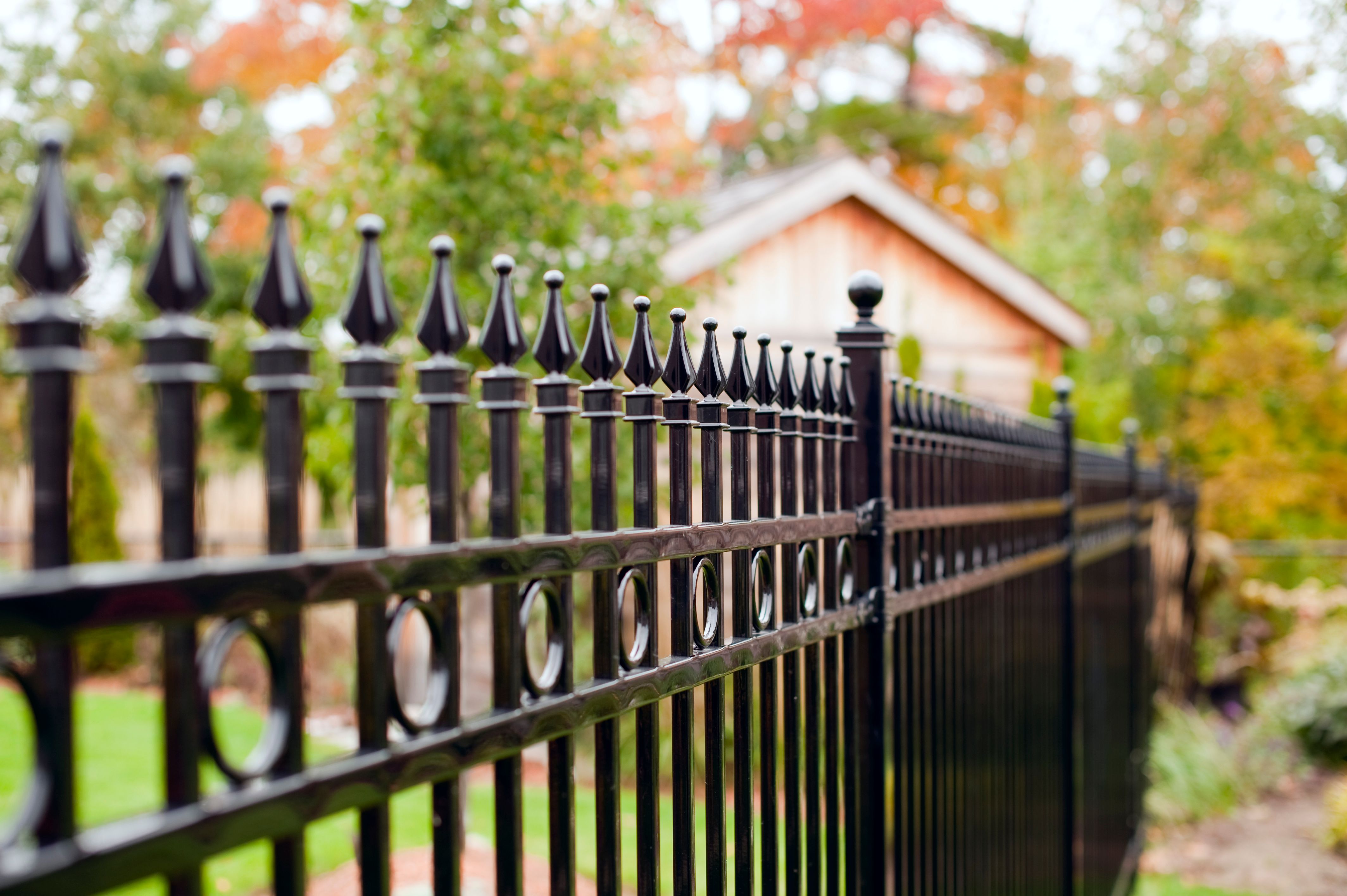
Metal fencing, such as aluminum or steel, is another sustainable option. These materials are highly durable and can be recycled at the end of their lifespan. Aluminum, in particular, is lightweight, corrosion-resistant, and requires little maintenance, making it suitable for the humid conditions in Florida. Additionally, modern designs can mimic traditional wood fencing styles, offering both style and sustainability.
Tips for Choosing the Right Eco-Friendly Fence
When selecting an eco-friendly fence, consider the specific needs of your property and the local climate. It's important to choose materials that are sustainable, durable, and suited to the environmental conditions of Florida. Consulting with a landscaping professional can help ensure you select the best option for your property.
Additionally, think about the long-term impact of your fencing choice. Opt for materials that require minimal maintenance and have a long lifespan. This not only reduces the environmental impact but also saves you time and money in the long run.
Conclusion: Making a Green Choice
Choosing an eco-friendly fencing option is a great way to contribute to a more sustainable future while enhancing your property's aesthetic appeal. Whether you opt for recycled materials, bamboo, living fences, or metal, each option provides unique benefits. By making informed choices, you can enjoy a beautiful, functional fence that aligns with your environmental values.